Abandoned Boats in South Carolina Now Face a Harsh Fate: Inside the Statewide Push to Clean Up Our Waterways
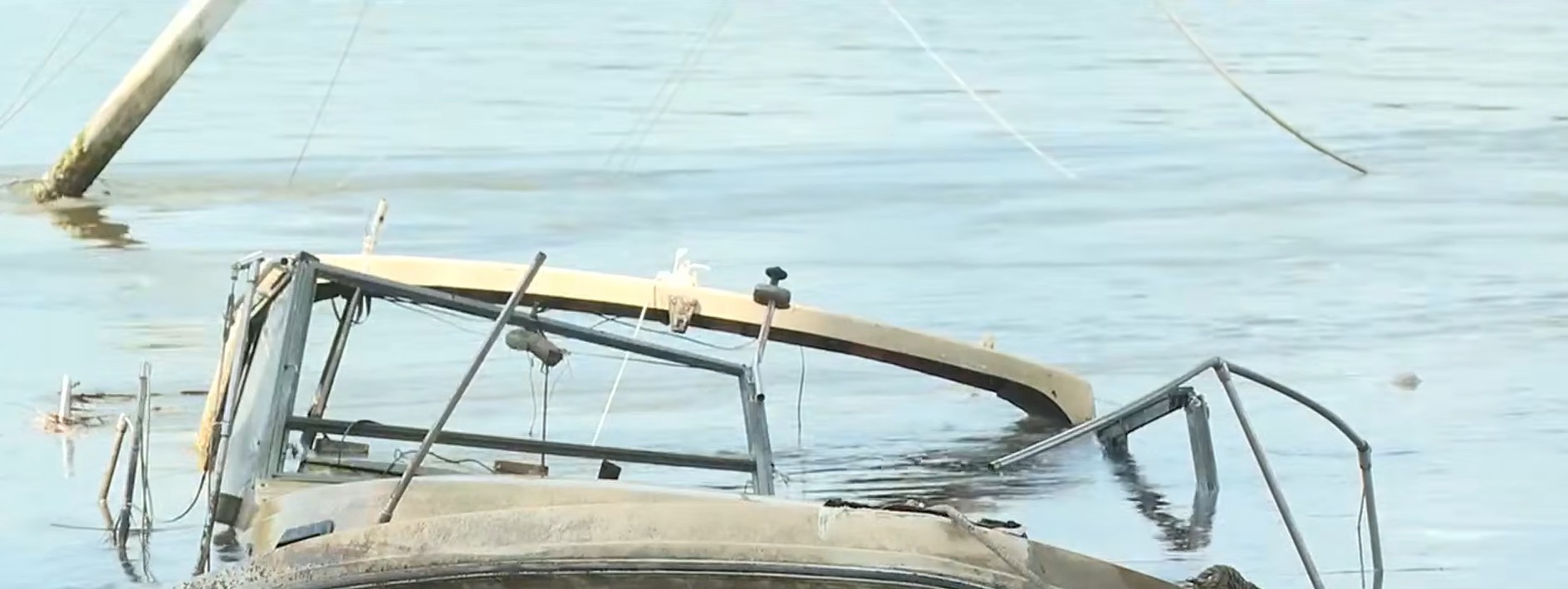
South Carolina’s coastal beauty has always been one of its defining treasures—salt marshes stretching to the horizon, tidal creeks teeming with life, and rivers that carry centuries of history. But beneath the surface of this natural charm lies a growing crisis that has finally reached a breaking point: abandoned and derelict boats scattered across the state’s waterways. These vessels, once symbols of recreation and livelihood, now sit half‑sunken, rotting, and leaking toxins into fragile ecosystems.
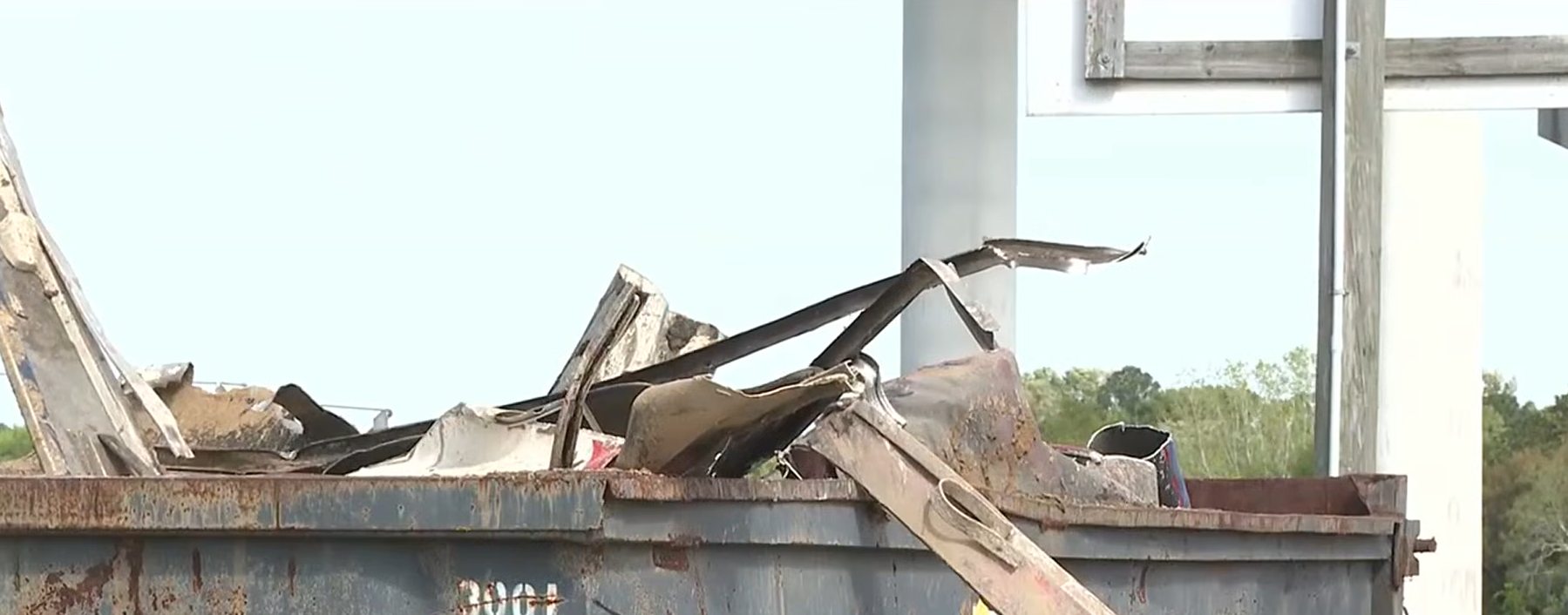
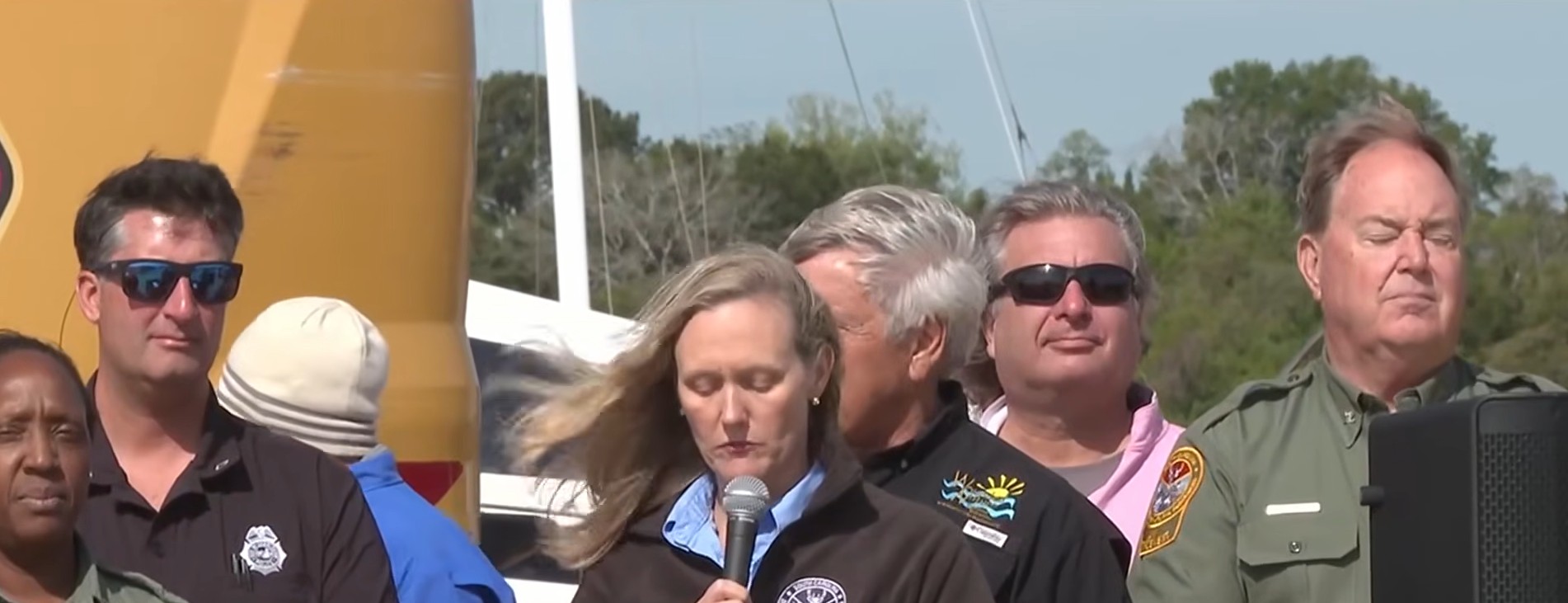
A recent report from ABC News 4 highlights the urgency of the situation, documenting a major cleanup effort underway across South Carolina as state officials and volunteers work to remove hazardous vessels from rivers, marshes, and coastal inlets. This initiative marks one of the most aggressive responses to derelict boats the state has ever seen—and for good reason.
.
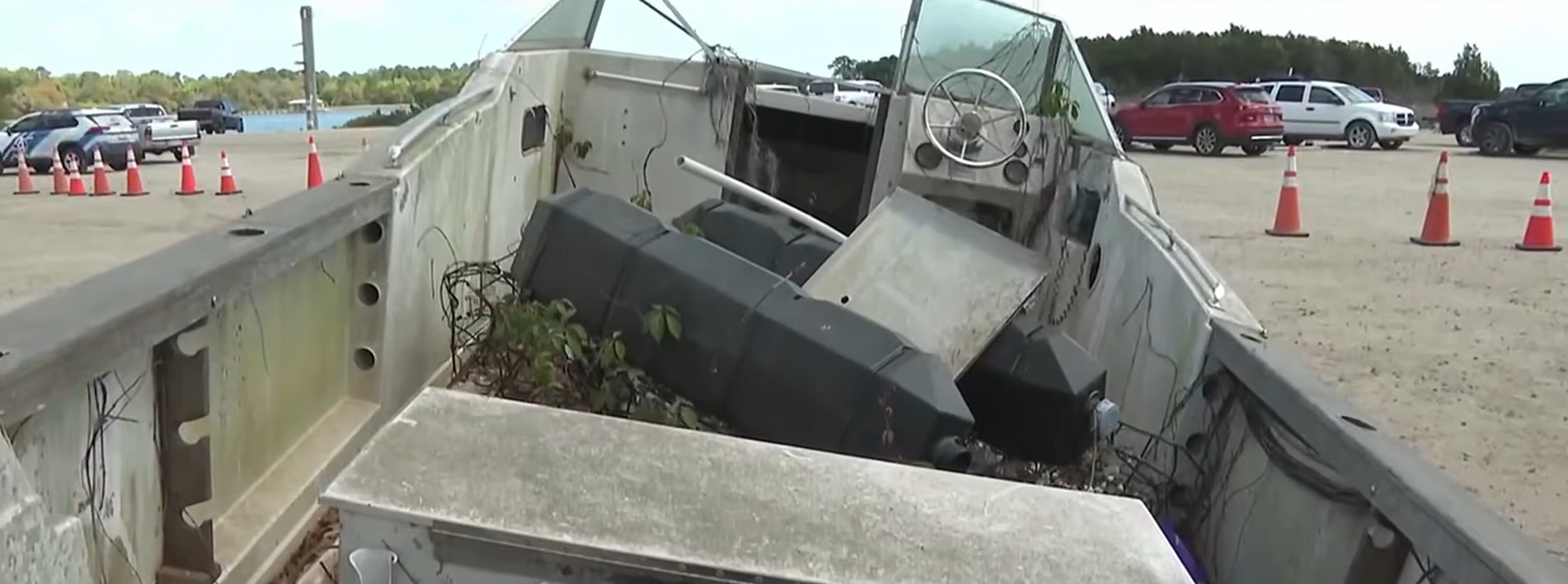
For years, abandoned boats have quietly accumulated in waterways from Charleston to Beaufort to the Upstate. Some were left behind after storms. Others were deserted by owners unable to afford repairs, storage, or disposal. Many simply drifted away from moorings and were never retrieved.
But regardless of how they got there, the consequences are the same:
Fuel, oil, and battery acid leak into marshes and estuaries
Fiberglass hulls break apart, scattering microplastics
Navigation hazards threaten boaters and rescue crews
Wildlife becomes trapped or injured
Marsh grasses die, accelerating erosion
Communities lose access to safe, clean waterways
South Carolina’s Department of Natural Resources (SCDNR), coastal municipalities, and nonprofit partners have long recognized the problem—but lacked the funding and legal tools to address it at scale
Environmental Stakes: What’s Really at Risk
Abandoned boats are more than an eyesore.
They are a direct threat to South Carolina’s coastal ecosystems.
Boat removal is expensive. A single extraction can cost anywhere from $5,000 to over $50,000, depending on size, location, and condition. With new funding streams and partnerships, more vessels can now be removed safely and efficiently.
As these boats deteriorate, toxins seep into marshes, poisoning fish nurseries and oyster beds. They Affect:
Habitat Destruction
Marsh grasses, which protect shorelines from erosion, suffocate under the weight of grounded hulls. Sunken vessels alter tidal flow, disrupt sediment patterns, and create dead zones where marine life cannot thrive.
Wildlife Harm
Sea turtles, dolphins, birds, and fish become entangled in debris or ingest microplastics released from decaying hulls.
Storm Vulnerability
During hurricanes, abandoned boats break loose and become battering rams—destroying docks, homes, and other vessels.
Organizations like Wounded Nature – Working Veterans have spent years removing derelict vessels from marshes and rivers, often in remote areas where heavy machinery cannot reach. Their work has been featured in multiple documentaries and news reports, including the Stono 7 series, which chronicles the salvage of seven abandoned boats in the Stono River.
This Team and their Volunteers:
Cut through marsh grass to access sunken hulls
Pump out water and fuel
Tow vessels to disposal sites
Recycle salvageable materials
Restore damaged marshland
Their efforts complement the state’s new enforcement measures, creating a powerful combination of policy and action.
Removing abandoned boats isn’t just good for the environment—it’s good for the economy.
Tourism
Clean waterways attract:
Kayakers
Anglers
Boaters
Eco‑tourists
Derelict boats deter visitors and damage the state’s reputation.
Property Values
Waterfront homeowners benefit from cleaner views and safer shorelines.
Commercial Fishing
Healthy marshes support shrimp, crab, and oyster populations—critical to local fisheries.
Marinas and Boat Rentals
Removing hazards reduces liability and improves business conditions.
The Future for South Carolina’s Waterways
With stronger laws, better funding, and community involvement, South Carolina is reclaiming its waterways.
But long‑term success depends on:
But long‑term success depends on:
- Education for new boat owners
- Affordable disposal programs
- Public awareness
- Continued enforcement
- Stricter mooring regulations
The state’s natural beauty is one of its greatest assets—and protecting it requires ongoing commitment.
South Carolina’s waterways are resilient, but they need our help. With every abandoned boat removed, we take another step toward restoring the health, safety, and beauty of our coastal ecosystems.
100% of donations support abandoned‑boat removal and coastal restoration